
Underground Storage Tanks for Petrol Stations and Fuel Depots
Fuel storage is the foundation of every fuel station, so the tank must be safe, durable and leak-free for decades. Stuffind supplies underground storage tanks and accessories for petrol, diesel and other fuels, with fast delivery across Pakistan and practical help choosing the right tank for your site.
[Request a Quote] [Contact Our Team]
What Is an Underground Storage Tank?
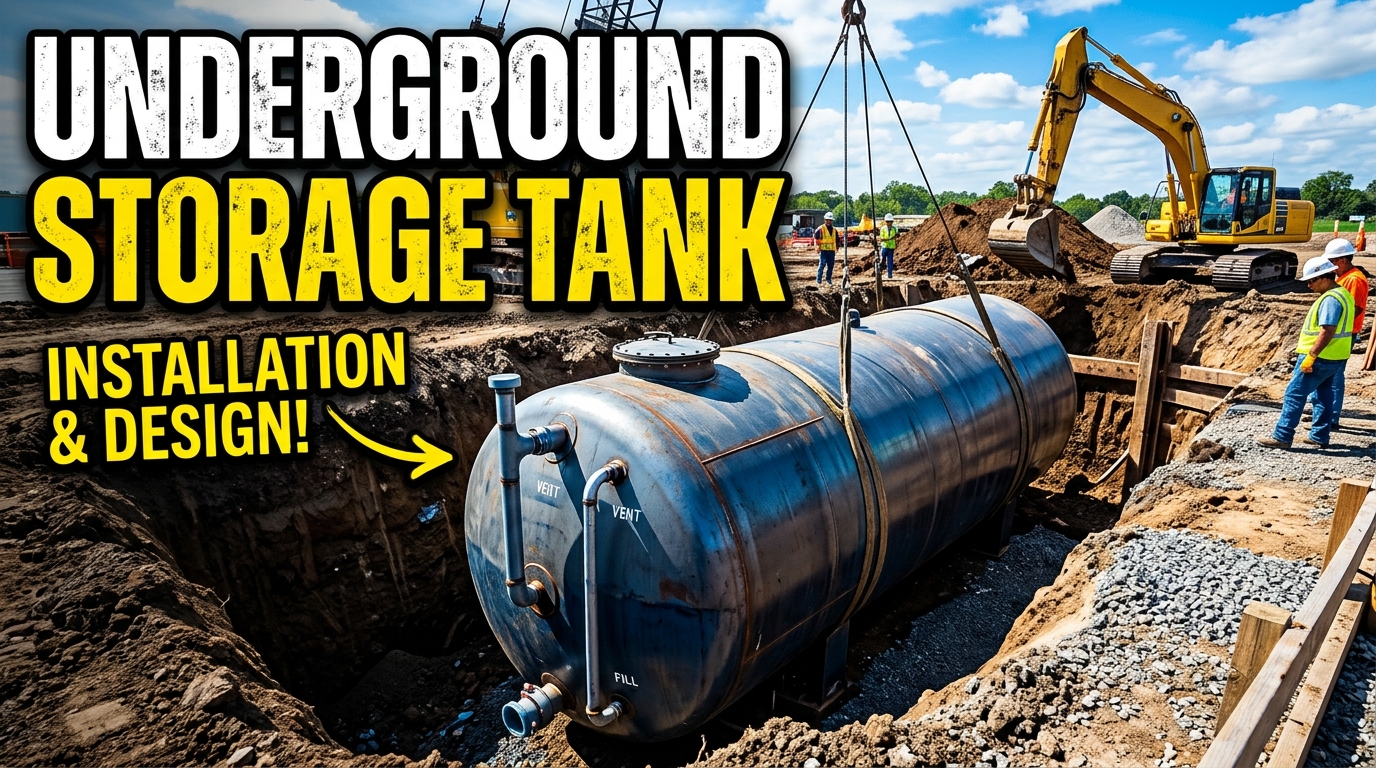
An underground storage tank (UST) is a sealed, buried vessel that stores liquid fuel below the surface of the forecourt. Because the tank sits underground, the surface stays free for vehicles and customers. In addition, the surrounding soil keeps the fuel at a steadier temperature, which reduces evaporation and fire risk compared with above-ground storage.
A UST works as part of a complete system. Fuel enters through a fill pipe during tanker delivery, and a submersible turbine pump sends it through forecourt piping to the dispensers. Meanwhile, an ATG system monitors the level, and an overfill prevention valve protects against spills. As a result, tank quality affects the safety of the whole station.
Types of Underground Storage Tanks
Several constructions are available, so you can match the tank to your budget, soil conditions and regulations.
Double-Wall Steel Tank
A steel inner tank sits inside a second steel wall, with a gap (interstitial space) between them. If the inner wall leaks, the fuel is caught in the gap, and a sensor raises an alarm. Therefore, double-wall construction gives much better leak protection than a single wall, and many fuel brands and regulators now prefer it.
Single-Wall Steel Tank
A single steel shell is the simplest and cheapest option. However, it offers no secondary containment, so it needs strong external coating, corrosion protection and often an outer containment system. Many sites no longer accept it for new installations, so check your requirements first.
Fibreglass (GRP / FRP) Tank
Glass-reinforced plastic never rusts, so it suits corrosive soils, high groundwater and coastal areas. Double-wall fibreglass tanks add secondary containment as well. In addition, the material is lighter than steel, which makes handling easier. However, installation must follow strict bedding and backfill rules, because fibreglass relies on the surrounding soil for support.
Steel-Fibreglass Composite Tank
A steel tank carries a fibreglass outer layer. As a result, it combines the strength of steel with the corrosion resistance of fibreglass.
Single-Compartment and Multi-Compartment Tanks
Single-compartment tanks hold one product. In contrast, multi-compartment tanks divide one shell into two or more chambers, so one tank can store petrol and diesel separately. This saves excavation cost and space on smaller sites.
Common Capacities
Typical station tanks range from about 10,000 to 60,000 litres, although custom sizes are possible. Choose the size from your expected daily sales and your tanker delivery frequency.
Typical Specifications
| Specification | Typical Details |
|---|---|
| Tank types | Single-wall steel, double-wall steel, double-wall fibreglass, composite (confirm per product) |
| Shape | Horizontal cylindrical |
| Capacity | About 5,000 to 60,000 litres, single or multi-compartment (confirm) |
| Diameter and length | Depends on capacity (confirm per product) |
| Stored fuels | Petrol, diesel, kerosene, ethanol blends (confirm compatibility per product) |
| Steel thickness | Per design standard and capacity (confirm per product) |
| External protection | Epoxy or polyurethane coating, with cathodic protection options |
| Leak detection | Interstitial space with sensor (double-wall tanks) |
| Openings | Manways, fill, vent, suction, return, gauge and sensor connections |
| Standards | EN 12285-1, UL 58, UL 1316, UL 1746, ASTM D4021, STI-P3, API 1615 (confirm per product) |
| Design life | Often 30 years or more with correct protection and installation (confirm) |
Key Features & Benefits
Underground tanks offer safety and space efficiency. First, burial reduces fire risk and keeps fuel cool, so evaporation losses stay low. Second, the forecourt surface remains clear, which allows better traffic flow and more room for dispensers, the canopy and the shop.
Double-wall designs add an extra safety layer. Because the interstitial space traps any leak, the environment stays protected, and you can fix problems before they become expensive. In addition, a corrosion-resistant construction extends the tank’s life, which lowers the cost over the station’s lifetime.
Finally, multiple compartments and custom sizes give flexibility, so you can match storage to your products and your budget.
Standard Tank Accessories
A tank needs several fittings to work safely. We can supply accessories that match your tank.
- Manholes and manway covers: access for inspection, pumps and gauges
- Sumps (containment chambers): catch leaks around pumps and fittings
- Fill pipes and spill containers: safe tanker connection and drip containment
- Vent pipes and vent caps: let air in and out as fuel moves
- Overfill prevention valve: stops delivery near full capacity (see Overfill Prevention Valve)
- ATG probe and sensors: level, water and leak monitoring (see ATG System)
- Submersible pump: moves fuel to dispensers (see Submersible Turbine Pumps)
- Anti-flotation straps and anchors: hold the tank down where groundwater is high
- Earthing and bonding: reduce static and fire risk
Applications
Underground storage tanks serve many sites. For example:
- Retail fuel stations: petrol, diesel and premium fuel storage
- Highway service stations: high-volume refuelling
- Fleet depots and bus terminals: private refuelling
- Industrial plants and factories: diesel for generators and machinery
- Airports and ports: support equipment fuelling
- Mining and construction camps: remote site fuel supply
- Generator stations and power plants: backup and primary fuel storage
For private and industrial fuelling needs, also see our Non-Retail Fuel Solutions.
Steel vs Fibreglass Tanks
| Steel (Double-Wall) | Fibreglass (Double-Wall) | |
|---|---|---|
| Corrosion | Needs coating and protection | Does not rust |
| Weight | Heavier | Lighter |
| Strength | Very strong | Strong, but depends on proper backfill |
| Handling | Robust | Needs more care during transport and installation |
| Best for | Many standard sites | Corrosive soil, high groundwater, coastal sites |
| Cost | Varies by size and standard | Varies by size and standard |
How to Choose the Right Underground Tank
First, decide the capacity. Estimate daily sales for each fuel, then multiply by the days between deliveries and add a safety margin. In addition, consider future growth, because adding a tank later costs far more than sizing correctly now.
Next, choose the construction. Double-wall tanks give secondary containment and are often required or preferred, so confirm what your regulator and fuel brand demand. Likewise, consider the ground. Corrosive soil, high groundwater or coastal conditions favour fibreglass or well-protected steel.
Then decide on compartments. A multi-compartment tank saves space, but a single-product tank can be easier to manage. After that, check the standards and certificates, and confirm that the tank suits the fuels you plan to store, including any ethanol blends.
Finally, plan the accessories and installation together. A good tank installed badly still fails, so choose a contractor with experience in fuel tank installation.
Not sure which tank suits your site? Send us your fuel types, daily sales and site conditions, and we will recommend suitable options.
Installation Overview
Correct installation decides how long a tank lasts. The steps below give a general outline, but the manufacturer’s instructions and local regulations always come first.
- Excavate the pit to the correct size and depth, and manage groundwater.
- Prepare the bed with the specified clean sand or gravel.
- Lower the tank carefully with proper lifting points, and avoid impact or dragging.
- Anchor the tank against flotation where groundwater is high.
- Connect the piping, sumps and accessories, and keep records.
- Backfill in layers with approved material, and avoid damage to the tank wall.
- Test for tightness before and after backfilling, following the manufacturer’s procedure.
- Commission the monitoring and safety systems, including ATG and overfill protection.
Only qualified contractors should install underground fuel tanks, because mistakes cause leaks, soil contamination and serious safety risks.
Maintenance & Inspection Tips
Regular checks protect your investment. First, review ATG readings daily for unexpected losses or water, since both can signal a problem early. Second, inspect manholes and sumps for water, fuel or damage, and keep covers closed and sealed.
In addition, test overfill alarms and leak sensors on schedule, and keep clear records of stock reconciliation. Remove water from the tank bottom if it collects, because water causes corrosion and contaminates fuel. Finally, arrange periodic tightness testing and professional inspections as required by your regulator and fuel brand.
Why Buy Underground Tanks from Stuffind
Stuffind is an engineering and procurement partner that supplies reliable equipment to customers across industries. Because we source from trusted manufacturers, you get consistent quality and dependable supply for fuel station projects.
We deliver across Pakistan , and our team helps with capacity planning and accessory selection. In addition, we offer competitive quotes for single tanks, multi-tank sites and complete fuel station equipment packages.
You can also source forecourt piping, valves, cables and switchgear from the same supplier, so your project stays simple to order.
Frequently Asked Questions
What is an underground storage tank used for?
It stores liquid fuel, such as petrol and diesel, below ground at fuel stations, depots and industrial sites. Because it is buried, it saves space, keeps fuel cool and reduces fire risk.
What is the difference between single-wall and double-wall tanks?
A single-wall tank has one shell, so a leak goes straight into the ground. A double-wall tank has a second wall with a monitored gap between them, so it catches leaks and raises an alarm. Therefore, double-wall tanks give much better environmental protection.
Which is better, steel or fibreglass?
Both work well when installed correctly. Steel is very strong but needs corrosion protection. Fibreglass does not rust, so it suits corrosive soil and high groundwater, although it needs careful handling and backfilling. The best choice depends on your site and regulations.
What size tank do I need for a fuel station?
It depends on daily sales, delivery frequency and growth plans. Many stations use tanks between 10,000 and 60,000 litres per product. Share your expected sales, and we will help you size the tanks.
Can one tank store petrol and diesel?
A multi-compartment tank can store different fuels in separate chambers. A single-compartment tank should hold only one product, because mixing fuels ruins quality and creates safety risks.
How long does an underground fuel tank last?
With correct materials, protection and installation, many tanks last 30 years or more. However, lifespan depends on soil, groundwater, maintenance and the manufacturer, so confirm the design life for each product.
What accessories does a tank need?
A typical tank needs manholes, sumps, fill pipes, vents, an overfill prevention valve, an ATG probe, a submersible pump, anti-flotation anchors where needed, and earthing. We can help you list the full set.
How is a tank tested for leaks?
Tightness tests use air pressure, vacuum or liquid methods before and after installation, following the manufacturer’s procedure. In addition, ATG systems and interstitial sensors provide ongoing monitoring.
What happens if the groundwater level is high?
A buried empty tank can float, so it needs anchors or hold-down straps, and sometimes a concrete slab. Water also affects material choice, so mention groundwater when you enquire.
Do you supply tank accessories and installation materials?
We supply many accessories, subject to availability. Tell us your tank type and requirements, and we will confirm what we can provide.
Do you supply in bulk or for multiple stations?
Yes. We support single sites, multi-station rollouts and bulk project orders.
Related Products
Forecourt Piping · Submersible Turbine Pumps · ATG System · Overfill Prevention Valve · Valves · Non-Retail Fuel Solutions · All Retail Fuel Solutions
Get a Quote on Underground Storage Tanks
Tell us the capacity, tank type, number of compartments, fuels to be stored and your site location. Our team will respond quickly with the right recommendation and a competitive quote.
[Request a Quote]
Email: stuffind@stuffind.com | Availability: Mon–Sat, 09:00–22:00