
Submersible Turbine Pumps for Petrol Stations and Fuel Depots
A submersible turbine pump (STP) moves fuel from the underground tank to every dispenser, so if the pump stops, sales stop. Stuffind supplies submersible turbine pumps and related accessories for petrol, diesel and other fuels, with fast delivery across Pakistan and practical help choosing the right pump for your site.
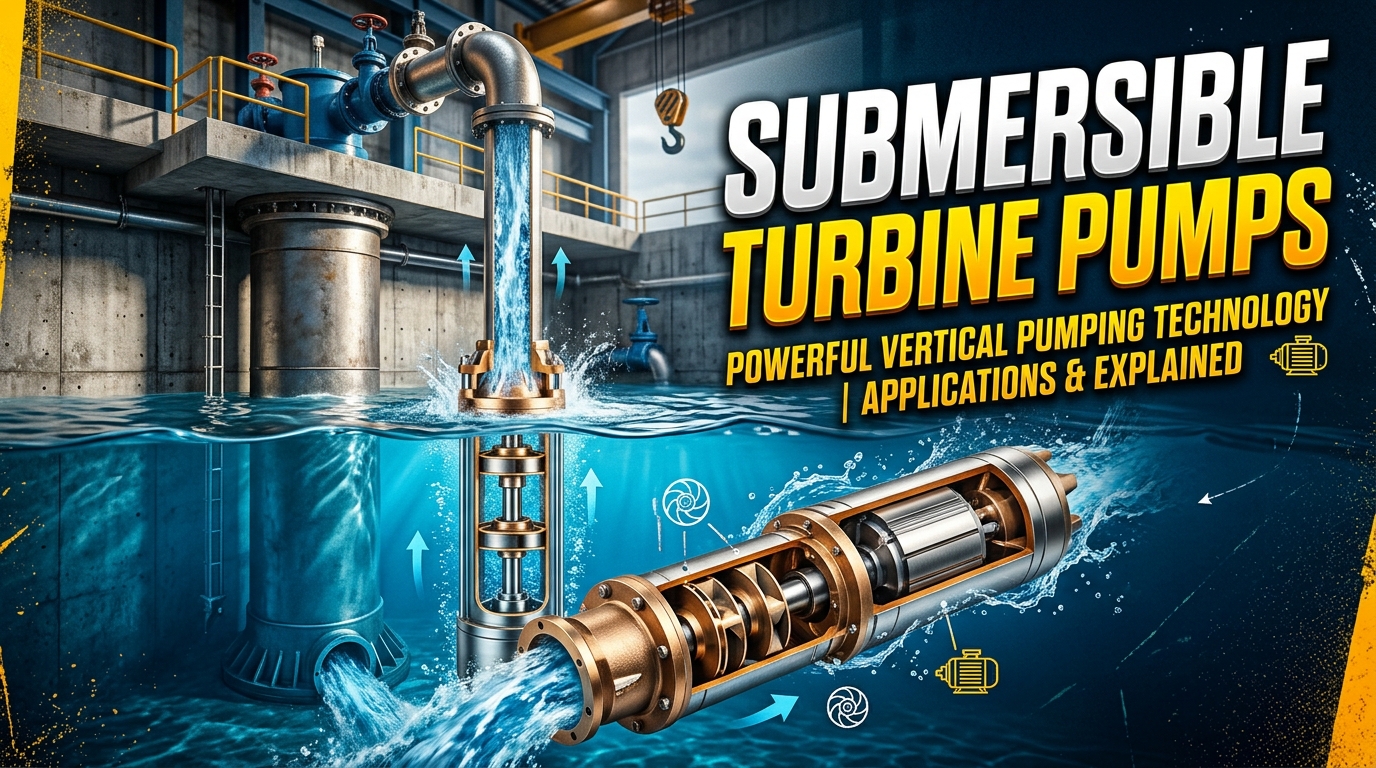
What Is a Submersible Turbine Pump?
A submersible turbine pump is a pump and motor unit installed inside the fuel tank. The motor sits at the top, and a long column pipe carries the pump section down into the fuel. Because the pump sits below the fuel surface, it pushes fuel through the pipework instead of pulling it from a distance.
This design matters for three reasons. First, pushing fuel gives steady pressure, so dispensers deliver at full speed even on long pipe runs. Second, there is no suction lift, which avoids vapour locks and air problems. Third, one pump can feed several dispensers at once. As a result, STPs are the standard choice for modern retail fuel stations.
How It Fits in the Station
The pump pushes fuel from the underground tank through forecourt piping to the dispensers. Meanwhile, the ATG system monitors the tank, and the overfill prevention valve protects it during delivery.
How a Submersible Turbine Pump Works
- Dispenser calls for fuel. When a customer lifts the nozzle, the dispenser sends a signal that starts the pump.
- The motor drives the impellers. Stacked impellers inside the pump section build pressure.
- Fuel rises through the column pipe. It passes the pump head, which holds the check valve and connects to the piping.
- The line is pressurised. Fuel travels to the dispenser at steady working pressure.
- The pump stops. When the nozzle is released, the pump switches off, and the check valve holds pressure in the line.
Main Parts of a Submersible Turbine Pump
Knowing the parts helps you order the right spares.
| Part | Function |
|---|---|
| Motor (power head) | Drives the pump, mounted at the top above the fuel |
| Column pipe | Carries fuel up from the tank, and adjusts to the tank depth |
| Pump section (impellers and diffusers) | Builds the pressure that pushes fuel to the dispensers |
| Inlet screen | Filters debris before fuel enters the pump |
| Pump head and manifold | Connects the pump to the product line and holds the check valve |
| Check valve | Keeps pressure in the line and prevents backflow |
| Line leak detector | Tests line tightness and restricts flow if a leak appears |
| Packer | Seals the pump in the tank opening |
| Junction box and control wiring | Connects power and control safely in the hazardous area |
| Vent and relief fittings | Release pressure safely and protect the system |
Types of Submersible Turbine Pumps
Several options are available, so you can match the pump to your fuel, flow and site.
Standard Fixed-Speed STP
This pump runs at one speed whenever it is switched on. It is simple, reliable and the most common type at standard stations.
Variable-Speed STP (with VFD)
A variable frequency drive changes the motor speed to match demand. Consequently, the pump delivers only as much fuel as needed, which reduces wear, saves energy and keeps pressure steady when several dispensers run together.
Petrol and Diesel Pumps
Pumps are built or configured for the fuel they handle. Petrol pumps need extra care with sealing and compatibility, while diesel pumps usually run at higher viscosity. Always confirm the fuel type.
Pumps for Ethanol and Biofuel Blends
Some pumps use special seals and materials that handle ethanol-blended petrol or biodiesel. Therefore, confirm compatibility whenever your fuel contains alcohol or bio components.
Motor Sizes
Common motor sizes range from about 0.75 HP to 3 HP, and higher ratings exist for large sites. Choose the size from flow and pressure needs, not just a number.
Single-Phase and Three-Phase Motors
Motors suit either single-phase or three-phase supplies. Select the type that matches your station’s electrical system.
Typical Specifications
(Confirm these values against your actual product range before publishing.)
| Specification | Typical Details |
|---|---|
| Pump type | Submersible turbine, multistage |
| Motor power | About 0.75 HP to 3 HP (confirm per product) |
| Power supply | Single-phase or three-phase, 50 Hz (confirm per product) |
| Flow rate | Roughly 100 to 400 litres per minute, depending on model (confirm) |
| Operating pressure | Typically around 2 to 3 bar (confirm per product) |
| Fuels | Petrol, diesel, kerosene, selected ethanol blends (confirm per product) |
| Tank opening | 4-inch fitting typical (confirm per product) |
| Column pipe | Adjustable to tank depth (confirm per product) |
| Construction | Aluminium, cast iron or stainless components, with fuel-resistant seals |
| Hazardous area protection | Explosion-protected motor and junction box (confirm per product) |
| Standards | ATEX, IECEx, UL 79, UL 674, EN 13617 (confirm per product) |
Key Features & Benefits
Submersible pumps improve both reliability and performance. First, the pump sits in the fuel, so it primes itself and avoids the vapour lock problems that suction pumps suffer in hot weather. Second, it delivers steady pressure over long pipe runs, so all dispensers pump at the correct speed.
In addition, one pump can serve several dispensers, which reduces equipment cost and simplifies the system. Moreover, the pump and motor sit inside the tank, so noise and surface clutter stay low. Many designs also include a line leak detector, which adds an automatic safety check on every pumping cycle.
Finally, variable-speed options cut energy use and wear, so maintenance costs drop over time.
Applications
Submersible turbine pumps serve many sites. For example:
- Retail fuel stations: petrol, diesel and premium fuel dispensing
- Highway service stations: high-volume, multi-dispenser sites
- Fleet depots and bus terminals: private fuelling systems
- Industrial plants and generator sites: diesel transfer
- Airports and ports: ground support equipment fuelling
- Mining and construction camps: site fuel supply
- Fuel depots: transfer to bowsers and dispensing points (see Non-Retail Fuel Solutions)
Submersible Pump vs Suction Pump
| Submersible Turbine Pump | Suction Pump (in dispenser) | |
|---|---|---|
| Fuel movement | Pushes fuel | Pulls fuel |
| Location | Inside the tank | Inside each dispenser |
| Pressure and speed | Strong and steady | Reduced over distance |
| Vapour lock risk | Very low | Higher |
| Dispensers served | Many from one pump | One per dispenser |
| Best for | Modern stations, long runs | Small sites, short distances |
How to Choose the Right Submersible Pump
First, define the flow you need. Count the dispensers and nozzles that may run together, then add each nozzle’s flow rate. A pump that is too small slows every dispenser, whereas one that is too large wastes energy and money.
Next, check the pipe layout. Long runs, many bends and height differences increase pressure loss, so the pump must overcome them. In addition, confirm the tank depth, because the column pipe must reach the right level above the tank bottom.
Then check the fuel. Petrol, diesel and ethanol blends affect seal and material choice, so confirm compatibility. After that, match the electrical supply, either single-phase or three-phase, and confirm that the motor and junction box suit hazardous areas.
Finally, consider a variable-speed pump if your station has high traffic or many dispensers, because it keeps pressure steady and extends equipment life. Also plan the accessories, such as the line leak detector, packer and check valve, together with the pump.
Not sure which pump suits your station? Send us your dispensers, fuels, tank depth and power supply, and we will recommend suitable options.
Installation & Safety Overview
Pump installation involves flammable fuel and electricity, so it must be done correctly. The outline below is general, and the manufacturer’s instructions and local regulations always come first.
- Check the tank, sump and opening before fitting the pump.
- Set the column pipe length to the tank depth so the inlet sits at the correct height above the bottom.
- Lower the pump carefully into the tank without damaging the motor or fittings.
- Fit the packer and seal at the tank opening.
- Connect the pump head to the product line with approved fittings and a check valve.
- Install the line leak detector and the relevant relief and vent fittings.
- Wire the motor through the approved junction box, with correct earthing and explosion protection.
- Test the system, including pressure, tightness, leak detector and emergency shutdown, before commissioning.
Only trained, qualified technicians should install and service fuel pumps, because errors can cause leaks, fire and electrical hazards.
Maintenance & Troubleshooting Tips
Regular checks keep pumps running. First, listen for unusual noise or vibration, and watch for slow dispensing, since both signal wear or blockage. Second, check the inlet screen and filters regularly, because dirt reduces flow and damages the impellers.
| Problem | Common Causes |
|---|---|
| Slow fuel flow | Clogged inlet screen or filter, worn impellers, low voltage, partly closed valve |
| Pump does not start | Power fault, tripped breaker, failed relay, damaged motor or wiring |
| Pump runs but no fuel delivered | Low tank level, air in line, failed check valve, broken coupling |
| Line leak detector trips | Line leak, trapped air, faulty detector, thermal changes in the line |
| Overheating or tripping | Overload, blocked pump, supply voltage issue |
| Fuel in the sump | Leaking fittings, worn seals, damaged packer |
In addition, test the line leak detector and shutdown systems on schedule, and replace worn seals before they fail. Finally, keep spare parts such as seals, check valves and leak detectors on site to cut downtime.
Why Buy Submersible Turbine Pumps from Stuffind
Stuffind is an engineering and procurement partner that supplies reliable equipment to customers across industries. Because we source from trusted manufacturers, you get consistent quality and dependable supply for fuel station projects.
We deliver across Pakistan (adjust to where you deliver), and our team helps with pump selection and compatibility. In addition, we offer competitive quotes for single pumps, spares and complete fuel station equipment packages.
You can also source underground tanks, forecourt piping, valves, cables and switchgear from the same supplier, so your project stays simple to order.
Frequently Asked Questions
What is a submersible turbine pump (STP)?
It is a fuel pump installed inside an underground tank. It pushes fuel to the dispensers through the pipework, so flow stays steady even over long distances.
What is the difference between a submersible pump and a suction pump?
A submersible pump sits in the tank and pushes fuel, while a suction pump sits in the dispenser and pulls fuel. As a result, submersible pumps give stronger, steadier flow and avoid vapour lock, and one pump can feed many dispensers.
How many dispensers can one submersible pump supply?
It depends on the pump’s flow rate, the pipe layout and the number of nozzles used at once. A properly sized pump can supply several dispensers. Share your layout, and we will help you size it.
What size pump motor do I need?
Motor size depends on the combined flow of the nozzles in use, the pipe length and the pressure needed. Common sizes range from about 0.75 HP to 3 HP, but you should size the motor to your system, not guess.
What is a variable-speed submersible pump?
It uses a variable frequency drive to change the motor speed with demand. Consequently, it keeps pressure steady, saves energy and reduces wear compared with a fixed-speed pump.
What does a line leak detector do?
It checks the product line for leaks every time the pump starts. If it finds a leak, it restricts flow and alerts the operator, which helps prevent spills and contamination.
Can a submersible pump handle ethanol-blended petrol or biodiesel?
Only if the pump’s seals and materials are approved for these fuels. Always confirm compatibility with the manufacturer before using blended fuels.
Why is my fuel dispenser slow?
Common causes include a clogged inlet screen or filter, worn pump impellers, low supply voltage, a partly closed valve or a restricted line. A technician can diagnose the issue by checking pressure and flow.
How long does a submersible pump last?
Lifespan depends on the model, fuel quality, duty and maintenance. Clean fuel, correct sizing and regular servicing extend life, so ask for the expected service life of each product.
Is it safe to service a pump myself?
No. The pump sits inside a fuel tank in a hazardous area, and it involves electricity. Only trained and authorised technicians should service submersible pumps.
Do you supply pump spares and accessories?
Yes, subject to availability. Tell us the pump model and the part you need, and we will confirm what we can supply.
Do you supply in bulk or for multiple stations?
Yes. We support single sites, multi-station rollouts and bulk project orders.
Related Products
Underground Storage Tank · Forecourt Piping · ATG System · Overfill Prevention Valve · Switchgear / Main DB / SMDBs · Check Valves · All Retail Fuel Solutions
Get a Quote on Submersible Turbine Pumps
Tell us the fuel type, motor power or flow needed, tank depth, power supply and the number of dispensers. Our team will respond quickly with the right recommendation and a competitive quote.
[Request a Quote]
Email: stuffind@stuffind.com | Availability: Mon–Sat, 09:00–22:00